Jim's Cleaning Group was the winner of the ProductReview.com.au 2025 award for Exceptional Feedback and Service Excellence

When you think about it, your couch does a lot of heavy lifting. It handles daily lounging, movie nights, sneaky snacks, sleepy pets and the occasional wine spill. A fabric sofa, especially, tends to collect the traces of all that activity. And while most people vacuum their floors and wipe down surfaces weekly, the humble couch can go untouched for months.
That ends today. Whether your lounge just needs a light refresh or it’s time to deal with some serious grime, this guide will walk you through how to clean your sofa or couch properly. Let’s dive in!
Before you start scrubbing or spraying, take a minute to understand your couch. Not all fabric sofas are the same, and jumping in without checking could lead to discolouration, shrinkage or permanent damage.
Most couches have a cleaning code tag under a cushion or along the frame. Here’s what the codes mean:
If there’s no tag or the code is faded, it might be safer to test any fabric cleaner you plan to use on a small, hidden section of the couch first.
No matter how clean your couch looks, it probably has dust, lint and crumbs sitting in the fabric fibres. The first step in any deep clean is a good vacuum. Use the upholstery attachment on your vacuum and make sure you get into every corner and seam. Remove all cushions and vacuum underneath them as well. Go over the couch slowly and in multiple directions to lift up as much dirt as possible.
If your vacuum has a crevice tool, use it for tight areas like between the armrests and the seat cushions. Don’t forget the back of the couch and the sides too — dust settles there just as easily.
If there are visible stains, you’ll need to treat them individually before doing any full-surface cleaning. How you handle them and the best products or solutions to use will depend on the type of fabric and what caused the stain.
Here’s a basic spot cleaning method that works on most water-safe fabrics:
Grease stains (from food, for example) may need a sprinkle of cornstarch or baking soda to absorb the oils before you clean. Let it sit for 15–20 minutes before vacuuming it up.
For solvent-only fabrics, use a dry-cleaning solvent as directed on the product.
Once spots are handled, it’s time to clean the entire couch. Again, what you use will depend on the fabric code.
If your couch is water-safe (W or WS):
If your couch is solvent-only (S):
Even after a clean, fabric couches can hold on to smells. Maybe it’s pets, maybe it’s food or maybe it’s just years of use. To tackle this, a dry deodorising method is usually the safest bet.
Sprinkle a generous layer of baking soda across the entire couch. Let it sit for at least 30 minutes or up to a few hours if the smells are strong. Then vacuum it all up thoroughly. This helps absorb lingering odours without any moisture involved.
Avoid scented sprays or perfumes on fabric — they often just mask smells instead of removing them.
If you’ve used any liquid at all, drying matters. A damp couch isn’t just uncomfortable to sit on. It can lead to mildew or cause the fabric to stretch out over time.
The best way to dry your couch is to open up windows and doors to get the air moving through the space. You can also place a fan nearby or run a dehumidifier to help speed things up. Just avoid using direct heat, like a hair dryer or heat gun, as that can cause shrinking or damage.
Even a light surface clean can leave behind moisture, so it’s worth giving the couch a few hours to fully dry before sitting back down.
If your fabric couch comes with removable cushion covers, giving them a proper wash every now and then can make a big difference.
Before washing, zip the covers closed so they don’t stretch out or twist in the machine. Use mild detergent only and avoid fabric softeners. After washing, air-dry them flat or hang them on the line. Don’t use a dryer unless the label says it’s safe.
If your couch doesn’t have removable covers, you can skip this step entirely and stick with the methods mentioned above.
Once your couch is fully dry, spritsing a light layer of fabric protection spray can help maintain the results of your clean. These sprays create a barrier over the fabric, making it harder for spills to soak in or stains to set.
When choosing one from the grocery or hardware store, check the label for your fabric type. Some sprays are made for delicate indoor materials like cotton or linen, while others are designed for thicker or more durable upholstery.
You’ve now got everything you need to keep your fabric couch in great shape — a solid step towards making your space feel fresher and more comfortable. But if the grime runs deeper than expected or you’d prefer to leave it to the pros, Jim’s Cleaning is here to help.
We specialise in professional couch and sofa cleaning and know exactly how to lift dirt, remove stains and bring your lounge back to life. Our experienced, police-checked team uses high-quality, fabric-safe products that are tough on grime but gentle on materials, so your couch gets a thorough clean without compromising its look or feel.
And it’s not just fabric lounge cleaning we handle. Whether it’s leather, velvet, microfibre or any other type of upholstered seating, we know how to treat each material the best way.
Ready to tick another chore off your list? Book your professional couch cleaning or request a quote today!
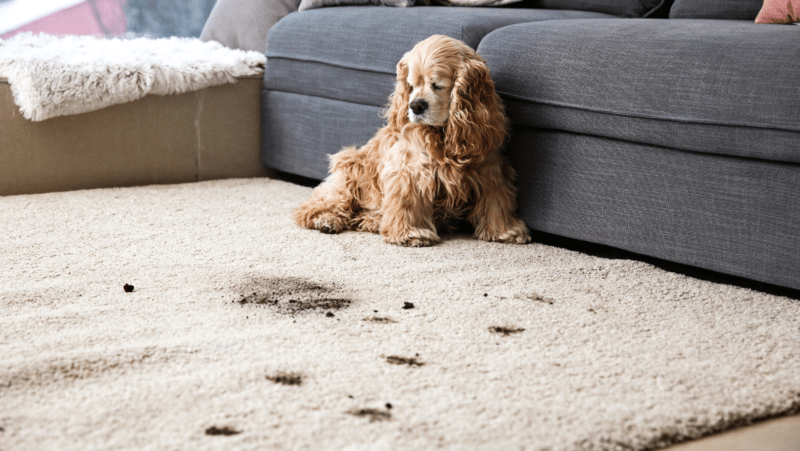
Dogs bring joy and companionship to our lives, but they can also bring along some unpleasant odours. If you’re struggling with dog smell in your house, you’re not alone. Getting rid of dog smell can be challenging, but with the proper techniques and tools, you can restore a fresh and clean environment. This comprehensive guide […]
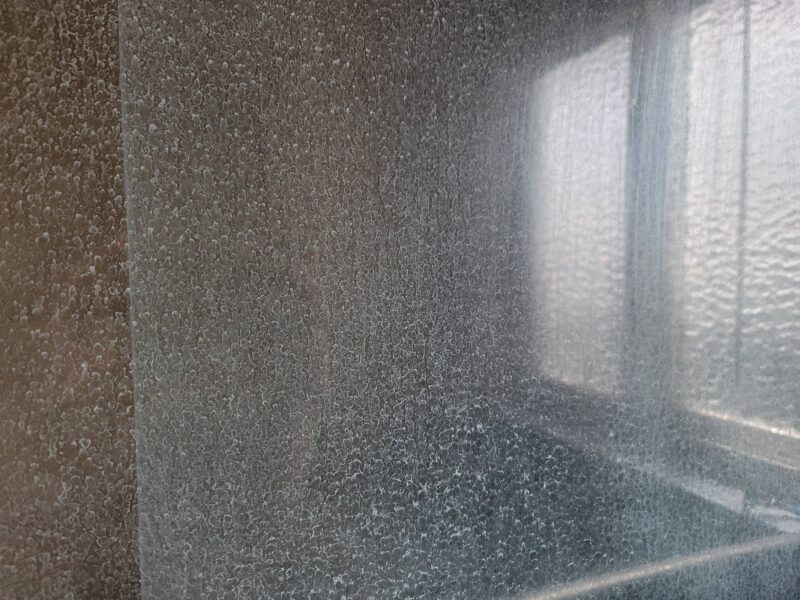
Calcium buildup on shower screens can be stubborn and difficult to remove. However, with the right approach and cleaning methods, you can effectively tackle this problem. Here’s a step-by-step guide on how to clean calcium build-up on shower screens: Remember, it’s essential to follow the manufacturer’s recommendations for cleaning and maintenance to avoid damaging the […]
You clean your windscreen. It looks perfect. Then you drive towards the sun and suddenly there’s a cloudy film across the entire inside of the glass. Sound familiar? It’s one of the most common little frustrations inside a car — and wiping it repeatedly with the nearest cloth can sometimes make it worse. Here’s what’s […]
Everyday names, everyday cars… have you ever wondered how these car companies got their names? Mercedes-Benz In 1897, Austrian entrepreneur Emil Jellinek began ordering Daimler cars that he could drive in some of Europe’s quickly growing auto races. By the dawn of the 20th century, Jellinek had a number of Daimlers that he adored driving. […]