Jim's Cleaning Group was the winner of the ProductReview.com.au 2025 award for Exceptional Feedback and Service Excellence

You wipe the kitchen cupboards. They still feel sticky.
You clean the top of the rangehood. Somehow, it looks worse.
And that layer sitting on top of the fridge? We’d rather not talk about how long that’s been there.
Kitchen grease is one of those cleaning jobs that looks straightforward until you actually try to remove it. Unlike everyday dust and dirt, cooking grease can build up gradually, mixing with dust and creating a stubborn, sticky film that ordinary wiping often just moves around.
With spring arriving, it’s a good time to tackle some of the areas that don’t necessarily make it into the weekly cleaning routine.
Here’s how to make the job a whole lot easier.
Every time you fry, roast or cook with oils and fats, tiny airborne particles can settle on nearby surfaces.
Over time, those particles combine with dust, moisture and other residue. That’s why the grime around your stove can feel completely different to normal household dust.
And it isn’t limited to the obvious spots.
Grease can settle on:
In commercial kitchens, staff rooms and workplace kitchens, the build-up can happen even faster.
One of the most common mistakes is attacking greasy surfaces with a soaking wet cloth.
Water alone doesn’t break down oil particularly well and can simply spread the residue across a larger area.
Instead, start with a cleaning solution designed to cut through grease.
For many washable kitchen surfaces, warm water mixed with a small amount of dishwashing liquid can be surprisingly effective because dishwashing detergent is specifically designed to break down oils.
Apply it with a damp microfibre cloth rather than flooding the surface.
There’s a cleaning habit most of us are guilty of:
Spray. Wipe immediately. Wonder why nothing came off.
For heavier build-up, give your cleaning solution a little contact time before wiping it away.
Allowing the product to sit briefly can help loosen the greasy layer so you’re removing it rather than scrubbing endlessly.
Always follow the directions on the cleaning product you’re using and test it on a small, inconspicuous area first.
Cupboards around your stovetop tend to collect the most residue.
Start by:
Be particularly careful with painted, timber, laminate or specialty-finish cabinetry, as strong degreasers can damage some surfaces.
When in doubt, check the manufacturer’s cleaning recommendations first.
Handles and the areas immediately surrounding them are often some of the dirtiest parts of a cupboard.
Think about how often someone opens a cupboard while cooking without washing their hands first.
Give handles and high-touch areas some extra attention.
If your kitchen cupboards don’t reach the ceiling, you may want to prepare yourself before looking up there.
The top of cabinetry is the perfect place for airborne grease and dust to settle, and because it’s out of sight, the build-up can become quite thick.
Remove loose dust first rather than immediately adding cleaning solution. Once you’ve removed as much dry debris as possible, you can start cutting through the greasy layer underneath.
The same applies to the top of the fridge.
Your rangehood has a very important job: capturing airborne grease before it spreads throughout the kitchen.
Which also means it can get dirty quickly.
Wipe the exterior using an appropriate cleaner for the material.
Stainless steel surfaces should generally be wiped with the grain rather than in circles, which can help prevent noticeable streaking.
Rangehood filters can collect a significant amount of grease.
Some removable metal filters can be washed, while others may require replacement depending on the appliance.
Always check your manufacturer’s instructions before cleaning or removing filters.
A heavily clogged filter isn’t just unpleasant to look at, it can also reduce how effectively your rangehood does its job.
Splashbacks cop everything from oil splatter to sauce, steam and food residue.
The trick is cleaning spills while they’re fresh whenever possible.
Once grease has been repeatedly heated and allowed to sit, it becomes much harder to remove.
For glass, tile and other washable splashbacks, loosen grease first before finishing with a clean cloth to remove streaks.
And pay attention to grout. Grout is porous and can gradually become stained if splashes are continually left sitting on it.
While you’re doing a kitchen reset, take a look at:
Light switches
Especially those close to cooking areas.
Kettle and toaster
Small appliances can develop a surprisingly sticky coating.
Pendant lights
Particularly those positioned near an island bench or stovetop.
Skirting boards
Dust and cooking residue can combine around the edges of the room.
Behind countertop appliances
Move your toaster, air fryer and coffee machine occasionally. You may be surprised by what’s hiding underneath them.
If you’re already tackling kitchen grease, the oven is the obvious next target.
The easiest approach is prevention.
Wipe spills once the oven is completely cool rather than repeatedly cooking the same food residue onto the surface.
For a bigger clean, always use products suitable for your particular oven and follow the appliance manufacturer’s instructions.
Avoid experimenting with aggressive cleaning products or abrasive tools that could damage protective coatings.
You don’t need to operate a restaurant to have a greasy workplace kitchen.
Office kitchens, lunchrooms, childcare facilities, retail workplaces and other shared spaces can all build up residue surprisingly quickly.
And because everyone uses the kitchen but nobody really owns the cleaning, certain jobs tend to get missed.
A good workplace kitchen routine should include more than wiping the bench.
Regularly check:
A periodic deeper clean can prevent gradual build-up from becoming a much bigger job later.
If you’re doing a proper kitchen deep clean, start high.
There isn’t much point cleaning your benchtop perfectly and then knocking dust and grime onto it while cleaning the cupboards above.
A simple order is:
Lights and high surfaces → cupboards → rangehood → splashback → appliances → benches → floors.
It sounds obvious, but it can save you from cleaning the same area twice.
Some kitchen jobs are easy to keep on top of yourself.
Others have been quietly accumulating above the cupboards since approximately 2019.
If your kitchen, workplace or commercial space could use a proper clean this spring, your local Jim’s Cleaning professional can help take care of the jobs you haven’t had the time, or inclination to tackle.
Because sometimes the best cleaning trick is getting someone else to do it.
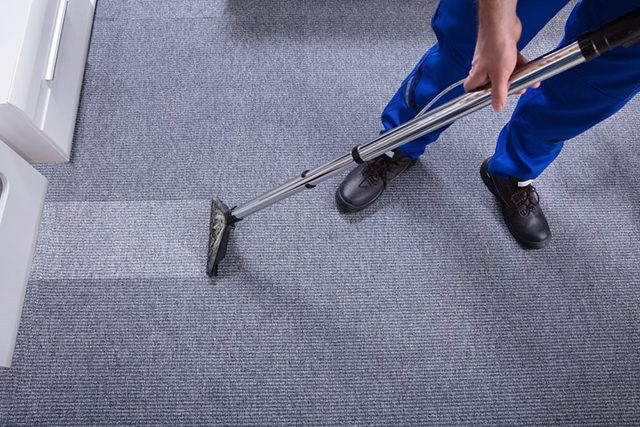
If you’re like most people, you probably don’t think about cleaning your commercial carpets until there’s a big, nasty mess to deal with. But commercial carpet cleaning is an important part of property maintenance and should be done on a regular basis to avoid problems down the road. Commercial carpet cleaning can be a huge […]
Wax v Polish – What’s The Difference? Unfortunately, unless we keep our cars wrapped up in bubble wrap, they are going to incur imperfections and like all car owners you are going to want to fix them. The question is how? We all know for the best results you need to call in the professionals […]
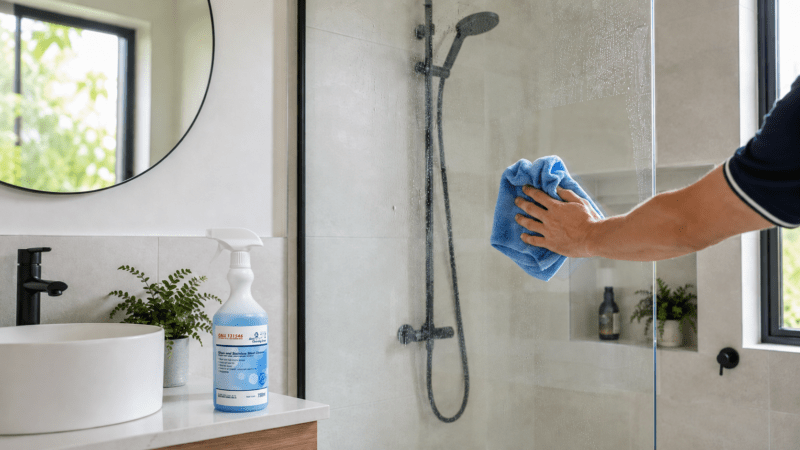
You clean the shower. You rinse the glass. You wipe it down. And somehow… it still looks cloudy. If your shower screen has that hazy, dull finish that never seems to disappear, the problem usually isn’t that you’re not cleaning it enough. It’s that you may be trying to clean the wrong type of build-up […]
Your carpet might look clean on the surface, but beneath the fibres is where the real dirty secrets live. Everyday life leaves behind more than just crumbs and pet hair — carpets are one of the most common places for bacteria, allergens, and hidden nasties to thrive. The Hidden Dangers in Your Carpet Simple Ways to Keep […]