How to Remove Graffiti from Different Surfaces: A Surface-Specific Guide

Graffiti can be a frustrating and unsightly problem for homeowners, businesses, and property managers. Whether it’s a one-off act of vandalism or an ongoing issue, removing graffiti promptly is essential to maintaining the appearance and value of your property. However, not all surfaces are the same, and different materials require different techniques for safe and effective removal. In this guide, we’ll walk you through the best methods for removing graffiti from various surfaces, helping you restore your property to its original state.
1. Removing Graffiti from Concrete Surfaces
Concrete is one of the most common surfaces that gets tagged with graffiti. It’s also one of the most challenging materials to clean because of its porous nature, which allows spray paint to seep deep into the surface. Here’s how to tackle it:
Best Methods:
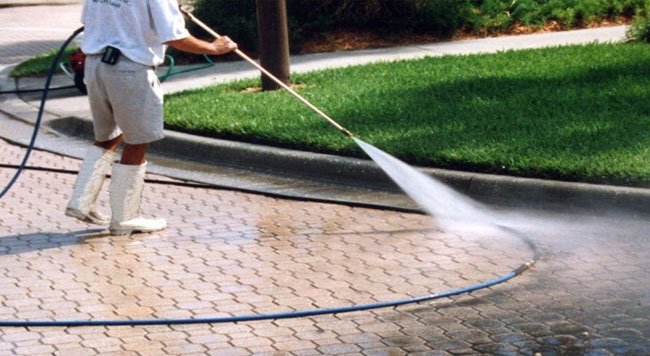
- Pressure Washing: High-pressure water can be an effective way to remove graffiti from concrete. A pressure washer with a nozzle set to a 25-degree angle works best. For stubborn stains, use a graffiti remover solution that is safe for concrete.
- Graffiti Removal Products: Specialized graffiti removers, often in gel form, cling to the paint on the concrete and help lift it away. Look for non-toxic options to minimize environmental impact.
- Scrubbing: If the graffiti is lighter, use a wire brush or a scrubbing pad with your chosen remover to scrub away the paint. Be sure to test a small area first to ensure you don’t damage the surface.
2. Removing Graffiti from Brick Walls
Brick surfaces are more delicate than concrete and can be damaged if cleaned too aggressively. Graffiti on brick can also be challenging due to the texture and porosity of the surface.
Best Methods:
- Pressure Washing with Care: Pressure washing works well for brick but be cautious with the pressure settings. Too high of a pressure can cause mortar to chip away, damaging the wall. Use a lower setting (around 1500-2000 psi) and keep the nozzle about a foot away from the surface.
- Graffiti Remover: For more precise cleaning, use a chemical graffiti remover designed for brick surfaces. These are typically gel-based to prevent dripping, making them ideal for working on vertical surfaces.
- Soft Brush or Scrub Pad: After applying the remover, gently scrub with a soft brush or pad to lift off the paint without harming the brick.
3. Removing Graffiti from Wood Surfaces
Wood is particularly vulnerable to damage from harsh chemicals and high-pressure washing. It requires a more delicate approach to ensure the grain and finish remain intact.
Best Methods:
- Soft Scrub with a Mild Cleaner: For wooden surfaces, start by using a mild soap and water solution with a soft-bristled brush to gently scrub off the graffiti. Avoid using anything too abrasive, as it can scratch or discolor the wood.
- Chemical Graffiti Remover: If the graffiti doesn’t come off with soap and water, opt for a graffiti remover designed for wood. Be sure to choose a product that’s specifically formulated for wood surfaces to avoid damage.
- Pressure Washing (with Caution): If you’re using a pressure washer, set it to a low pressure (about 1000-1500 psi), and keep the nozzle at a safe distance (at least 18 inches) to avoid splintering the wood.
4. Removing Graffiti from Metal Surfaces
Metal surfaces, whether they’re steel, aluminum, or another type of metal, require special care since they can scratch easily. Graffiti can often be removed from metal using chemical cleaners without damaging the underlying surface.
Best Methods:
- Graffiti Remover: Use a graffiti removal product formulated specifically for metal surfaces. Spray or apply the remover to the affected area, wait for the paint to loosen, and wipe it off with a clean cloth.
- Pressure Washing: For larger metal surfaces, pressure washing can be an efficient way to remove graffiti, but use a lower pressure to avoid scratching the surface. Start with around 1500 psi and adjust as necessary.
- Metal Polish: Once the graffiti is gone, consider using a metal polish to restore the shine and protect the surface from future stains.
5. Removing Graffiti from Glass Surfaces
Glass surfaces like windows, glass doors, and glass storefronts are the easiest to clean, but they can be tricky if the graffiti is especially stubborn.
Best Methods:
- Glass Cleaner: For light graffiti, a standard glass cleaner and a microfiber cloth should do the trick. Spray the cleaner directly on the graffiti and wipe it away.
- Razor Blade Scraper: For tougher paint, use a razor blade scraper at a 45-degree angle to carefully scrape off the graffiti. Always keep the blade at an angle to prevent scratches.
- Graffiti Remover for Glass: If you’re dealing with spray paint, a specialized graffiti remover for glass may be necessary. Apply the product, allow it to sit, and then wipe away the paint using a cloth or sponge.
6. Removing Graffiti from Painted Walls
Removing graffiti from painted walls can be tricky because you risk removing or damaging the underlying paint. The method you choose will depend on the type of paint and how much the graffiti has penetrated.
Best Methods:
- Gentle Cleaning with Soap and Water: For fresh graffiti, you may be able to simply wash it away with soapy water and a soft cloth.
- Graffiti Remover: For more stubborn graffiti, apply a graffiti remover that’s safe for painted surfaces. Be sure to test it in an inconspicuous area first to ensure it doesn’t remove the underlying paint.
- Touch-Up Painting: If all else fails, you may need to repaint the area. Before doing so, make sure the graffiti is entirely removed to prevent it from bleeding through the new coat.
7. Removing Graffiti from Vinyl Siding
Vinyl siding can easily be scratched or damaged, so it’s important to be cautious when removing graffiti.
Best Methods:
- Pressure Washing: A gentle pressure wash can often remove graffiti from vinyl siding without damaging it. Use a low pressure (around 1500 psi) and hold the nozzle about a foot away from the surface.
- Graffiti Remover: If pressure washing doesn’t do the trick, use a graffiti remover designed for vinyl. Apply it to the graffiti, let it sit, and then wipe away the residue with a clean cloth.
- Soft Brush Scrubbing: For stubborn marks, gently scrub the area with a soft brush or sponge.
Final Thoughts
Graffiti removal can be a challenging task, but by using the right tools and techniques for each surface, you can effectively restore your property. Always test a small area first, especially when using chemical products, to avoid damage. If you’re unsure or dealing with extensive graffiti, it may be worth hiring a professional graffiti removal service like Jim’s Window & Pressure Cleaning to ensure the job is done safely and thoroughly.
By staying proactive and removing graffiti as soon as possible, you’ll not only improve the appearance of your property but also send a message that vandalism won’t be tolerated.